
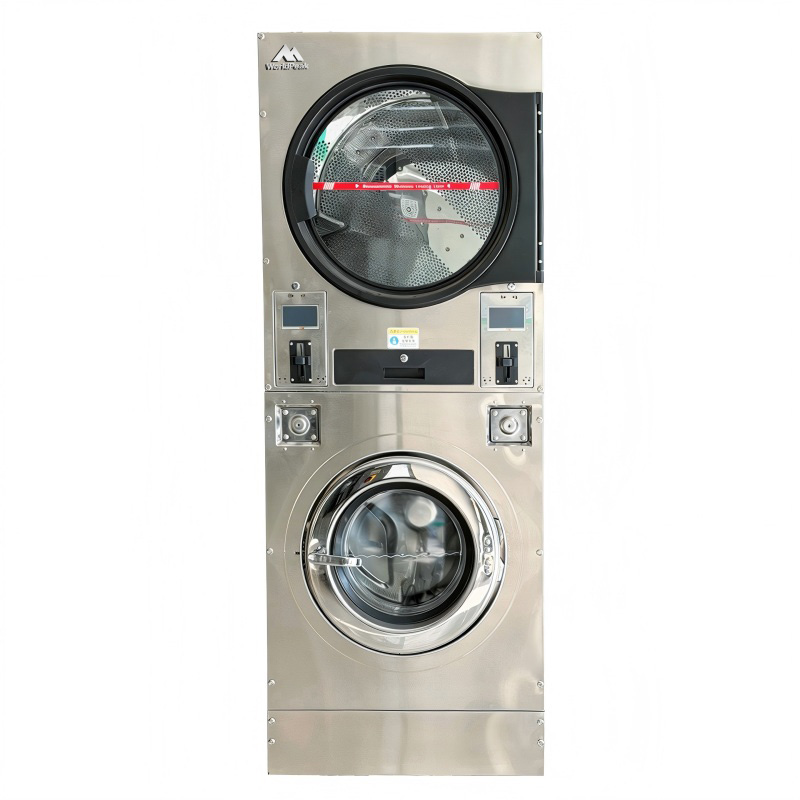
Da Hotels, Ferienunterkünfte, Restaurants, Gesundheitseinrichtungen und andere Branchen ihr Wäschemanagement zunehmend standardisieren, wird die Auslagerung der Wäschebearbeitung immer üblicher und schafft eine stabile Nachfrage nach professionellen Wäschereien. Viele neue Betreiber gehen davon aus, dass eine Wäscherei mit nur einigen Waschmaschinen starten kann. In der Praxis ist die großvolumige Wäschebearbeitung jedoch ein integrierter Produktionslinienprozess. Die richtige Kombination von gewerblicher Wäschereitechnik beeinflusst direkt die tägliche Verarbeitungskapazität, Waschqualität, den Personalbedarf, die Produktionseffizienz und die langfristigen Betriebskosten. Eine vollständige Wäscherei benötigt daher nicht nur Waschschleudermaschinen, sondern auch Trocknungs-, Mangel-, Falt-, Chemikaliendosier-, Wasseraufbereitungs-, Wäschehandhabungs- und weitere Unterstützungssysteme.
- Welche Maschinen benötigt eine gewerbliche Wäscherei?
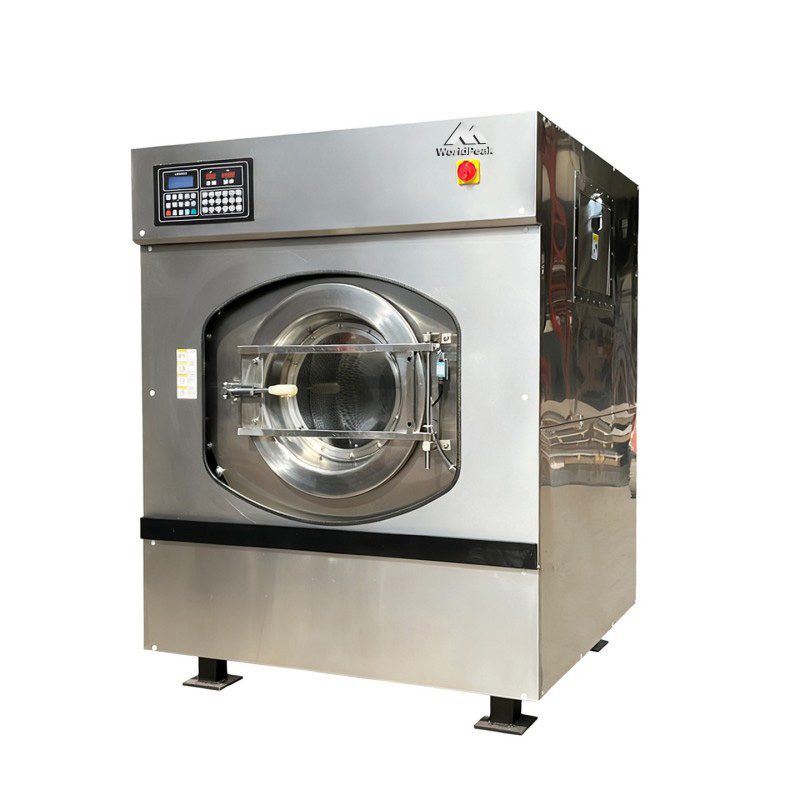
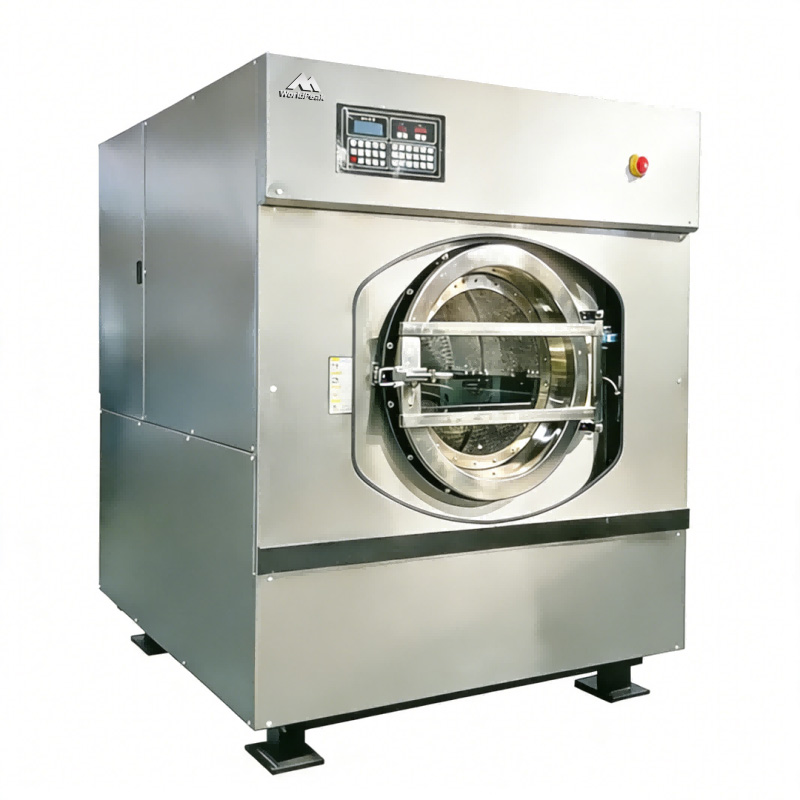
- Industrielle Waschschleudermaschinen
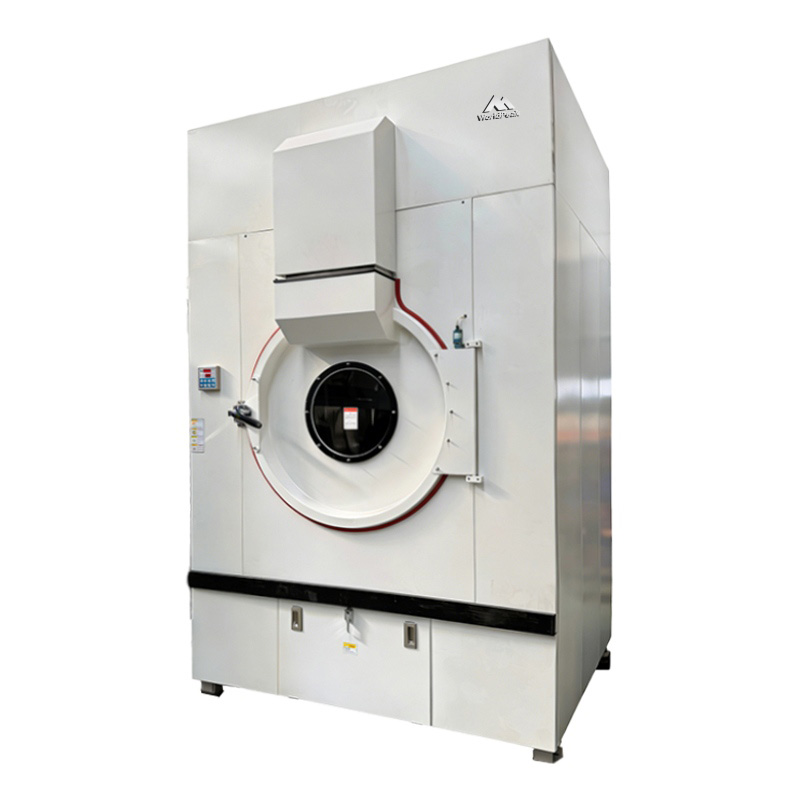
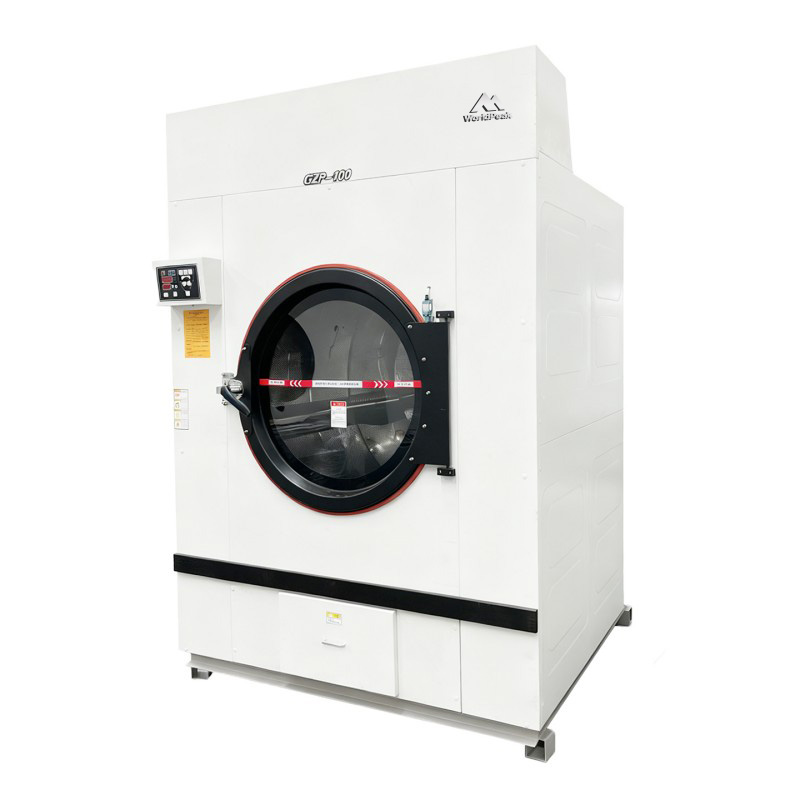
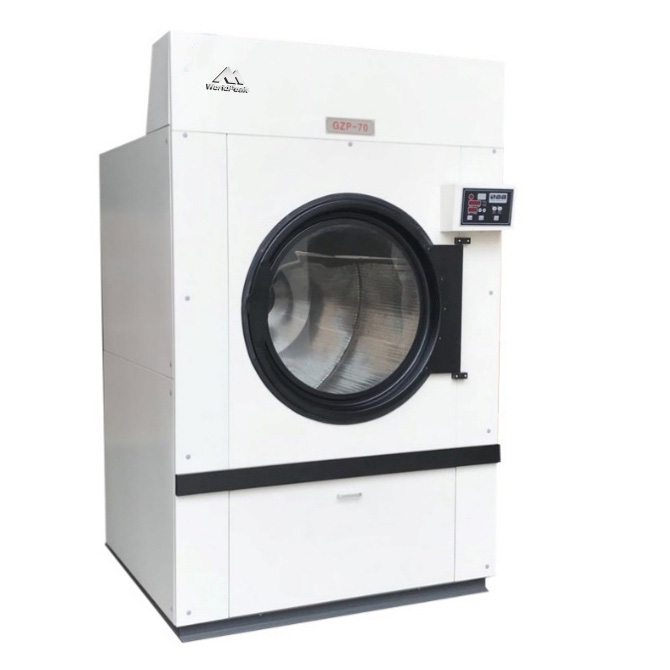
- Industrielle Wäschetrockner
- Mangel- und Falttechnik
- Wichtige Zusatztechnik für Wäschereien
- Wäschereitechnik nach Betriebsgröße
- So planen Sie eine Wäscherei-Produktionslinie
- So wählen Sie Wäschereitechnik aus
- Häufig gestellte Fragen
Welche Maschinen benötigt eine gewerbliche Wäscherei?
Eine professionelle gewerbliche Wäscherei wird nicht um nur einen Maschinentyp aufgebaut. Stattdessen nutzt sie mehrere Anlagenkategorien, um einen kontinuierlichen Ablauf von der Annahme verschmutzter Wäsche bis zur Auslieferung sauberer, getrockneter, gemangelter und gefalteter Produkte zu schaffen.
Eine typische Wäscherei kann umfassen:
- Industrielle Waschschleudermaschinen
- Industrielle Wäschetrockner
- Flachwäschefinisher / Mangeln
- Automatische Wäscheeingabemaschinen
- Automatische Faltmaschinen
- Automatische Chemikaliendosiersysteme
- Wasseraufbereitung
- Abwasseraufbereitung
- Wäschetransportwagen
- Sortiertische und Lagereinrichtungen
- Dampf- oder andere Heizsysteme
- Optionale Barriere-Waschmaschinen oder Chemischreinigungsmaschinen
Die genaue Anlagenkonfiguration hängt vom täglichen Wäschevolumen, Kundentyp, den Textilkategorien, der verfügbaren Fläche, den Versorgungsbedingungen und dem erforderlichen Automatisierungsgrad ab.
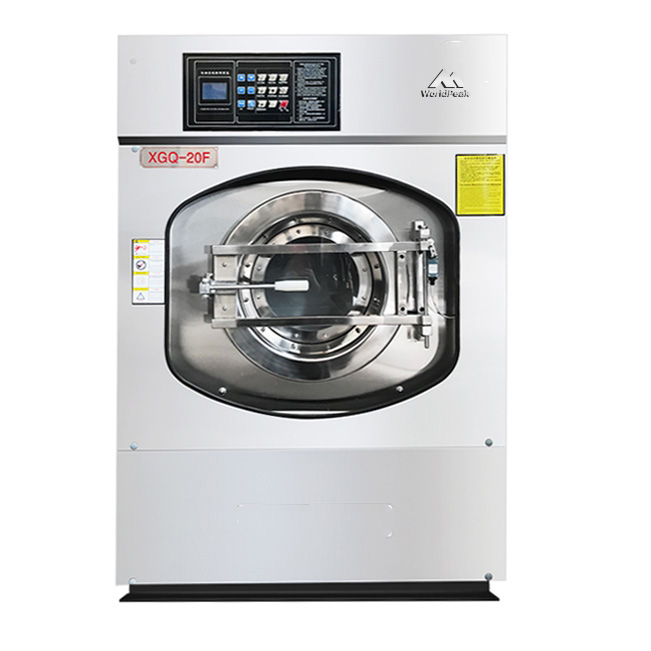
Industrielle Waschschleudermaschinen: das Herzstück einer Wäscherei
Der Waschbereich bildet die Grundlage einer gewerblichen Wäscherei-Produktionslinie. Professionelle Wäschereien verwenden in der Regel industrielle Waschschleudermaschinen mit hoher Kapazität anstelle von Haushaltsmaschinen oder leichten gewerblichen Waschmaschinen.
Eine industrielle Waschschleudermaschine kombiniert Waschen, Spülen, Abpumpen und Hochgeschwindigkeitsschleudern in einer Maschine. Dadurch entfällt das Umsetzen nasser Wäsche in eine separate Zentrifuge, und es entsteht ein effizienterer, standardisierter Arbeitsablauf.
Programmierbares Waschen für verschiedene Wäschearten
Moderne Waschschleudermaschinen können mehrere Waschprogramme für unterschiedliche Textilkategorien speichern, darunter:
- Hotelbettlaken
- Bettbezügen
- Kissenbezüge
- Handtüchern und Badetüchern
- Restauranttischdecken
- Arbeitskleidung und Uniformen
- Medizinische Textilien
Waschzeit, Temperatur, Wasserstand, Trommeldrehzahl, Spülhäufigkeit, Schleuderdrehzahl und Chemikaliendosierung können entsprechend Stoffart und Verschmutzungsgrad angepasst werden.
Hochgeschwindigkeitsschleudern verbessert die Effizienz nachgelagerter Prozesse
Nach dem Waschen entfernt das Hochgeschwindigkeitsschleudern einen erheblichen Teil der Restfeuchte aus der Wäsche. Eine geringere Restfeuchte kann die anschließende Trocknungszeit verkürzen und den Durchsatz der gesamten Wäschereiproduktionslinie erhöhen.
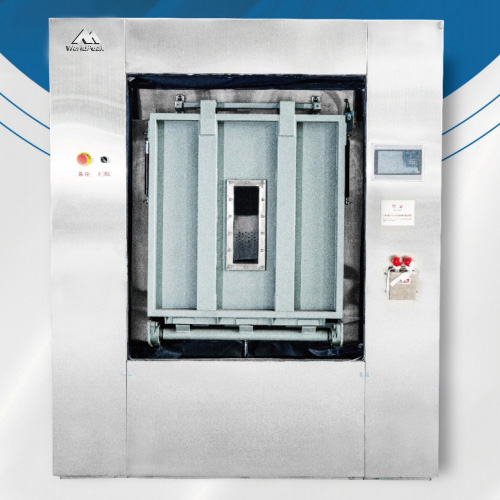
Barriere-Waschschleudermaschinen für medizinische Wäschereien
Wäschereien, die Krankenhaus- oder medizinische Wäsche bearbeiten, können Barriere-Waschschleudermaschinenbenötigen. Diese Maschinen werden typischerweise in einer Trennwand mit getrennten Be- und Entladetüren installiert.
Verschmutzte Wäsche wird von der unreinen Seite geladen, während gereinigte Wäsche auf der reinen Seite entnommen wird. Dies unterstützt die physische Trennung zwischen unreinen und reinen Verarbeitungsbereichen und reduziert das Risiko von Kreuzkontaminationen.
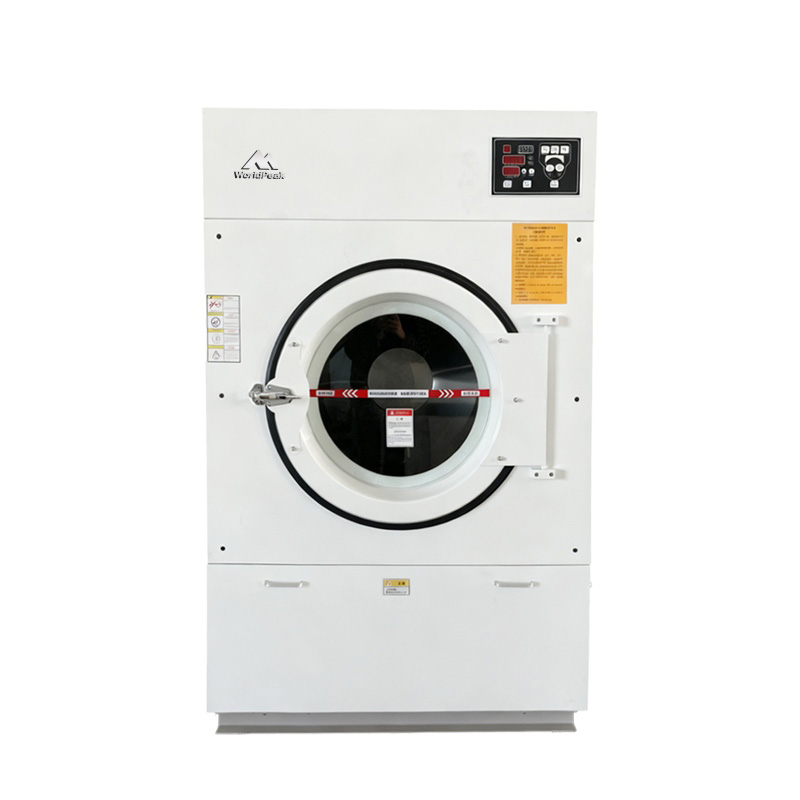
Industrielle Wäschetrockner für schnellen Wäscheumlauf
Trocknungstechnik ist ein entscheidendes Bindeglied zwischen Waschen und Finish. Selbst nach dem Hochgeschwindigkeitsschleudern enthält die Wäsche noch Restfeuchte und muss vor Mangeln, Falten oder Wiederverwendung meist weiter getrocknet werden.
Auf natürliche Lufttrocknung zu setzen, ist für eine professionelle Wäscherei meist unpraktisch, da die Trocknungsgeschwindigkeit von Wetter, Luftfeuchtigkeit, verfügbarem Platz und Umgebungsbedingungen abhängt.
Vorteile industrieller Wäschetrockner
Industrielle Wäschetrockner sind für größere Beladungen und häufige gewerbliche Nutzung ausgelegt. Zu ihren wichtigsten Vorteilen gehören:
- Trocknung mit hoher Kapazität
- Stabile Temperaturregelung
- Konstanter Luftstrom
- Kürzere Verarbeitungszyklen
- Geringere Wetterabhängigkeit
- Besser planbare Produktionszeiten
Bei gewerblichen Wäschereien im Mehrschichtbetrieb sollte die Trocknerkapazität passend zur Leistung der Waschschleudermaschinen dimensioniert werden, damit sich nasse Wäsche nicht zwischen den Produktionsstufen ansammelt.
Energieeffiziente Trocknungssysteme
Je nach Betrieb können Trockner Dampf, Gas, Strom, Wärmepumpentechnik oder andere Heizsysteme verwenden. Die wirtschaftlichste Lösung hängt von lokalen Energiepreisen, täglichen Betriebszeiten und vorhandenen Versorgungsmedien ab.
Energieeffiziente Trockner können höhere Anfangsinvestitionen erfordern, jedoch in Betrieben mit hohem Volumen die langfristigen Betriebskosten senken.
Automatische Mangel- und Falttechnik
Für Hotels, Restaurants und professionelle Wäschedienstleister reichen Waschen und Trocknen allein nicht aus. Bettlaken, Bettbezüge, Kissenbezüge und Tischdecken müssen zusätzlich auf einen gleichbleibenden gewerblichen Standard gebracht werden.
Dadurch werden Mangel- und Falttechnik für Flachwäsche zu einem wichtigen Bestandteil einer vollständigen Wäscherei.
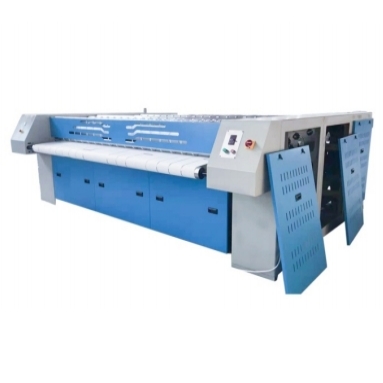
Flachwäschefinisher
Ein gewerblicher Flachwäschefinisher ist dafür ausgelegt, große flache Textilien kontinuierlich zu pressen und zu glätten. Gegenüber manuellem Bügeln bietet er deutlich höheren Durchsatz und eine gleichmäßigere Finishqualität.
Wäschereien können je nach täglichem Produktionsvolumen und erforderlicher Mangelgeschwindigkeit Einwalzen-, Zweiwalzen- oder Mehrwalzen-Finisher wählen.
Automatische Wäscheeingabemaschine
Eine Wäscheeingabemaschine unterstützt Bediener beim Ausbreiten und Einführen von Bettlaken oder Bettbezügen in den Flachwäschefinisher. Dadurch wird repetitives manuelles Positionieren reduziert und eine gleichmäßige Produktionsgeschwindigkeit unterstützt.
Automatische Faltmaschine
Nach dem Mangeln kann eine vollautomatische Faltmaschine Wäsche nach voreingestellten Programmen falten, zählen, stapeln und organisieren.
Eine vollständige Finishlinie kann daher bestehen aus:
- Automatische Eingabemaschine
- Hochgeschwindigkeits-Flachwäschefinisher
- Automatische Faltmaschine
- Stapel- oder Sammelsystem
Bei mittleren und großen Wäschereien kann eine stärkere Automatisierung im Finishbereich repetitive Handarbeit deutlich reduzieren und die gesamte Produktionskonstanz verbessern.
Wichtige Zusatztechnik für eine Wäscherei
Ein häufiger Fehler bei der Planung einer neuen Wäscherei ist, sich nur auf die Hauptmaschinen zu konzentrieren und unterstützende Systeme zu übersehen. In der Praxis ist Zusatztechnik für eine stabile, effiziente und standardisierte Produktion unerlässlich.
Wasseraufbereitungstechnik
Die Wasserqualität beeinflusst Waschleistung und Anlagenzustand direkt. Wasserenthärtungs- oder Aufbereitungsanlagen können Mineralablagerungen und Kalk in Waschmaschinen, Kesseln, Ventilen und Rohrleitungen reduzieren.
Sie können außerdem in Hartwassergebieten die Waschkonstanz verbessern.
Automatisches Chemikaliendosiersystem
Ein automatisches Chemikaliendosiersystem liefert entsprechend dem gewählten Waschprogramm vorgegebene Mengen an Waschmittel, Alkali, Bleichmittel, Desinfektionsmittel, Weichspüler und anderen Wäschereichemikalien.
Dies verbessert die Gleichmäßigkeit zwischen Chargen und reduziert Fehler bei der manuellen Chemikalienzugabe.
Wäschetransportwagen und Sortiertische
Wäschereien benötigen spezielle Wagen, Sortiertische und Lagerbereiche, um Textilien effizient durch Annahme, Sortierung, Waschen, Trocknen, Finish und Versand zu bewegen.
Wo Hygieneanforderungen gelten, sollten unreine und saubere Wäsche nach Möglichkeit klar getrennte Handhabungswege nutzen.
Abwasserbehandlungsanlagen
Gewerbliche Wäschereien erzeugen Abwasser mit Waschmitteln, Schwebstoffen, Flusen und anderen Verunreinigungen. Anforderungen an Behandlung und Einleitung unterscheiden sich nach Standort, daher sollten Betreiber bereits in der Planungsphase die geltenden Umweltvorschriften prüfen.
Erforderliche Abwasserbehandlungssysteme sollten von Anfang an im Projektbudget berücksichtigt und nicht erst nach Produktionsbeginn ergänzt werden.
Konfiguration der Wäschereitechnik nach Betriebsgröße
Wäschereitechnik muss nicht in jedem Projekt auf höchstem Spezifikationsniveau ausgelegt werden. Das richtige System sollte der tatsächlichen Produktionskapazität und dem Auftragsvolumen entsprechen.
Kleine Start-up-Wäscherei
Eine kleine gewerbliche Wäscherei für Pensionen, Restaurants, kleine Hotels und lokale Kunden kann mit einer schlanken Produktionslinie beginnen.
Eine typische Konfiguration kann umfassen:
- 1–2 Waschschleudermaschinen mit hoher Kapazität
- Passende Wäschetrockner
- 1 Flachwäschefinisher
- Einfache Falt- und Sortiertechnik
- Automatische Chemikaliendosierung
- Wäschewagen und Arbeitstische
Diese Konfiguration hilft, die Anfangsinvestition zu kontrollieren und gleichzeitig die Grundausstattung für professionelle Wäschebearbeitung bereitzustellen.
Mittelgroße gewerbliche Wäscherei
Eine mittelgroße Wäscherei mit größeren Hotel-, Restaurant- oder Wäschedienstleistungsaufträgen benötigt in der Regel ein vollständigeres und stärker automatisiertes System.
Typische Anlagen können umfassen:
- Mehrere Waschschleudermaschinen
- Mehrere industrielle Trockner
- Automatische Wäscheeingabemaschine
- Mehrwalzen-Flachwäschefinisher
- Automatische Faltmaschine
- Automatisches Chemikaliendosiersystem
- Wasseraufbereitung
- Dampf- oder zentrales Heizsystem
Diese Konfiguration ist darauf ausgelegt, Engpässe zu reduzieren und eine stabile Verarbeitung großer Mengen zu unterstützen.
Große professionelle Wäscherei
Große Wäschereien für Hotelketten, Krankenhäuser, Resorts, Institutionen oder regionale Kunden können eine hochautomatisierte Produktionslinie benötigen.
Zusätzliche Anlagen können umfassen:
- Waschschleudermaschinengruppen mit hoher Kapazität
- Tunnelwaschanlagen
- Hochleistungs-Wäschetrockner
- Automatische Sortier- und Fördersysteme
- Hochgeschwindigkeits-Mangel- und Faltlinien
- Barriere-Waschschleudermaschinen
- Chemischreinigungstechnik
- Fortschrittliche Wasser- und Abwasserbehandlungssysteme
Je höher das tägliche Verarbeitungsvolumen, desto wichtiger ist es, die Anlagenkapazitäten über alle Produktionsstufen hinweg auszubalancieren.
So planen Sie eine Wäscherei-Produktionslinie
Eine gewerbliche Wäscherei sollte um einen logischen Einbahn-Arbeitsfluss herum geplant werden, statt Maschinen lediglich dort aufzustellen, wo gerade Platz ist.
Typischer Wäschereiproduktionsfluss
Ein Standardablauf kann dieser Reihenfolge folgen:
- Annahme verschmutzter Wäsche
- Sortierung und Klassifizierung
- Waschen und Schleudern
- Trocknen oder direktes Mangeln
- Flachwäsche mangeln
- Falten und Stapeln
- Endkontrolle
- Lagerung von Reinwäsche
- Versand und Lieferung
Ein klarer Fluss reduziert unnötige Wäschebewegungen, minimiert Handhabung und verhindert, dass sich Produktionsbereiche gegenseitig behindern.
Produktionsengpässe vermeiden
Jeder Bereich sollte ausreichend Kapazität besitzen, um die Leistung der vorherigen Stufe zu übernehmen. Eine Wäscherei mit mehreren großen Waschschleudermaschinen, aber zu geringer Trocknungs- oder Mangelkapazität kann beispielsweise erhebliche Wäscheansammlungen erleben.
Die Kapazitäten von Waschmaschinen, Trocknern, Mangeln und Faltmaschinen sollten daher als ein integriertes System geplant werden.
So wählen Sie gewerbliche Wäschereitechnik aus
1. Tägliches Wäschevolumen berechnen
Beginnen Sie mit einer Schätzung des gesamten Trockengewichts oder der Anzahl der täglich verarbeiteten Wäschestücke. Die Anlagenkonfiguration sollte an der tatsächlichen Nachfrage und nicht an einer theoretischen Maximalleistung ausgerichtet werden.
2. Kundentypen bestimmen
Hotels, Restaurants, Krankenhäuser, Fabriken und Schulen verarbeiten unterschiedliche Textilien und benötigen möglicherweise unterschiedliche Waschprogramme, Finishstandards und Hygieneverfahren.
3. Betriebszeiten festlegen
Eine Wäscherei mit einer Schicht pro Tag benötigt eine andere Konfiguration als ein Betrieb mit zwei oder drei Schichten. Längere Betriebszeiten können den Durchsatz erhöhen, ohne zwingend größere Maschinen zu erfordern.
4. Anlagenkapazitäten abstimmen
Wasch-, Trocknungs-, Mangel- und Faltkapazitäten sollten so ausgeglichen sein, dass keine Produktionsstufe zum Engpass wird.
5. Heizungs- und Versorgungsbedingungen bewerten
Prüfen Sie vor der Auswahl der Anlagen die Verfügbarkeit von Strom, Wasser, Entwässerung, Gas, Dampf, Druckluft und Lüftung.
6. Automatisierung anhand der Personalkosten berücksichtigen
Automatische Eingabe-, Falt-, Sortier- und Dosieranlagen erfordern zusätzliche Investitionen, können aber repetitive Handarbeit reduzieren. Der geeignete Automatisierungsgrad hängt von Personalverfügbarkeit, Lohnniveau und täglichem Produktionsvolumen ab.
7. Künftige Erweiterung planen
Wenn die Wäscherei größere Kunden hinzugewinnen oder in medizinische bzw. hochwertige Textilverarbeitung expandieren will, sollten ausreichend Stellfläche und Versorgungskapazität für zusätzliche Anlagen vorgesehen werden.
Häufig gestellte Fragen zur Wäschereitechnik
Welche Anlagen werden benötigt, um eine gewerbliche Wäscherei zu starten?
Eine grundlegende gewerbliche Wäscherei benötigt normalerweise industrielle Waschschleudermaschinen, Wäschetrockner, Flachwäsche-Mangeltechnik, Chemikaliendosiersysteme, Wäschewagen, Sortiertische sowie geeignete Wasser- und Entwässerungsinfrastruktur. Größere Betriebe können zusätzlich automatische Eingabemaschinen, Faltmaschinen, Dampftechnik, Wasseraufbereitung und Abwasserbehandlung benötigen.
Kann ich eine Wäscherei nur mit Waschmaschinen starten?
Für professionelle Wäschebearbeitung reichen Waschmaschinen allein in der Regel nicht aus. Trocknung, Mangeln, Falten, Chemikaliendosierung, Transport, Lagerung und Versorgungssysteme sind ebenfalls erforderlich, um einen effizienten Produktionsprozess zu schaffen.
Welche Größe einer Waschschleudermaschine eignet sich für eine Wäscherei?
Die richtige Größe hängt vom täglichen Wäschevolumen, der Textilart, den verfügbaren Betriebszeiten und der Anzahl der installierten Maschinen ab. Gewerbliche Wäschereien verwenden häufig Waschschleudermaschinen mit 50 kg, 100 kg oder mehr, während kleinere Betriebe verschiedene Kapazitäten kombinieren können.
Benötigt eine Wäscherei einen Flachwäschefinisher?
Ein Flachwäschefinisher ist besonders nützlich für Betriebe, die Hotel- oder Restaurantwäsche wie Bettlaken, Bettbezüge, Kissenbezüge und Tischdecken verarbeiten. Wäschereien, die sich hauptsächlich auf Kleidungsstücke oder Handtücher konzentrieren, können andere Finishanforderungen haben.
Benötigen gewerbliche Wäschereien automatische Faltmaschinen?
Kleine Wäschereien können Wäsche manuell falten, während mittlere und große Betriebe bei täglich hohen Mengen an Flachwäsche von automatischer Falttechnik profitieren.
Welche Technik wird für Krankenhauswäsche benötigt?
Wäschereien, die medizinische Textilien bearbeiten, können Barriere-Waschschleudermaschinen, getrennte unreine und reine Bereiche, validierte Wasch- und Desinfektionsverfahren sowie weitere Hygienemaßnahmen gemäß den geltenden lokalen Gesundheitsvorschriften benötigen.
Was ist der Unterschied zwischen einer Waschschleudermaschine und einer Tunnelwaschanlage?
Eine Waschschleudermaschine verarbeitet jeweils eine Charge, während eine Tunnelwaschanlage oder kontinuierliche Chargenwaschanlage die Wäsche fortlaufend durch mehrere Waschstufen bewegt. Tunnelsysteme eignen sich im Allgemeinen besser für sehr große zentrale Wäschereien mit stabilen hohen Auftragsmengen.
Wie sollte eine Wäscherei zwischen manuellen und automatischen Anlagen wählen?
Die Entscheidung sollte auf täglichem Produktionsvolumen, Personalkosten, verfügbarem Kapital, Platz und erforderlicher Durchlaufzeit beruhen. Kleine Betriebe können mehr manuelle Prozesse einsetzen, während hochvolumige Anlagen von stärkerer Automatisierung profitieren.
Fazit
Eine erfolgreiche Ausstattung mit gewerblicher Wäschereitechnik basiert auf einem vollständigen Produktionsfluss statt auf einer Sammlung einzelner Maschinen. Waschschleudermaschinen stellen die zentrale Waschkapazität bereit, Trockner sorgen für effiziente Feuchtigkeitsentfernung, und Mangel- sowie Falttechnik bereiten die Wäsche für die professionelle Auslieferung vor. Wasseraufbereitung, Chemikaliendosierung, Transport, Abwassermanagement und weitere Hilfssysteme unterstützen einen stabilen täglichen Betrieb.
Kleine Start-up-Wäschereien können mit einer schlanken Konfiguration beginnen, während mittlere und große Betriebe den Automatisierungsgrad mit wachsendem Auftragsvolumen schrittweise erhöhen sollten. Einrichtungen mit Kunden aus dem Gesundheitsbereich können außerdem spezialisierte Barriere-Waschsysteme und strengere Hygienemaßnahmen benötigen.
Durch die Abstimmung von Anlagenkapazität, Automatisierungsgrad, Heizungsart, Betriebsanordnung und Hilfssystemen auf das tatsächliche Auftragsvolumen und die Kundenanforderungen können Betreiber eine Wäschereiproduktionslinie aufbauen, die zuverlässige Waschqualität, effizienten Durchsatz, beherrschbare Betriebskosten und nachhaltige langfristige Leistung bietet.